
Hvis du har været på udkig efter en IPTV-udbyder i 2026, Du ved jo allerede, at markedet er et totalt kaos. Hver uge dukker der et dusin nye tjenester op, der hævder at tilbyde “100.000 kanaler i fejlfri 8K med ingen buffering.” Man tilmelder sig, det fungerer upåklageligt en tirsdag eftermiddag, og så går det helt ned, så snart en vigtig Premier League- eller NFL-kamp går i gang.
Kabelregningerne løber op i over $150 om måneden for de fleste husstande, så det giver god mening at opsige kabelabonnementet. Men at skifte fra kabel-tv bør ikke betyde, at man skal bruge weekenden på at skændes med en chatbot, fordi streamingen gik i stå.
Her får du et overblik over, hvad der rent faktisk foregår i streamingverdenen lige nu, og hvordan man skelner mellem de seriøse platforme og de useriøse svindelforetagender.
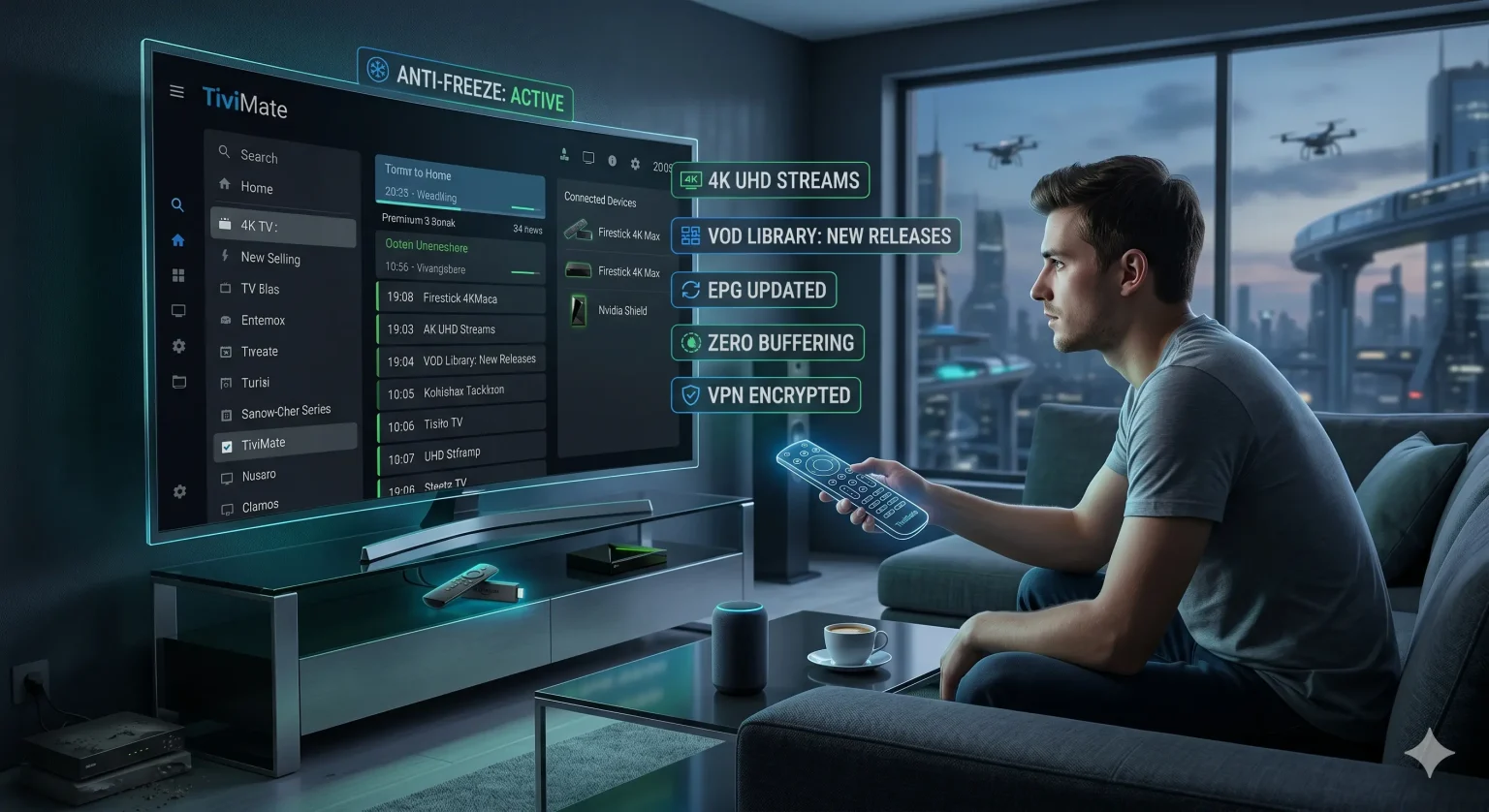
De teknologiske opgraderinger, der virkelig gør en forskel
I løbet af det seneste år har standarden for en ordentlig tjeneste ændret sig. Det handler ikke længere kun om, hvem der har den største kanalliste. Faktisk pynter udbydere, der praler med 150.000 livekanaler, som regel på deres tal med inaktive kanaler og ubrugelige internationale dubletter, som du aldrig kommer til at se.
De førende platforme lægger stor vægt på infrastruktur:
Frostbeskyttelsesteknologi: Det plejede at være et marketingudtryk, men nu har det faktisk en betydning. De bedste tjenester har opgraderet deres serverrouting for at kunne håndtere massive trafikstigninger under PPV-begivenheder og store sportsweekender uden at miste forbindelsen.
Ægte 4K-streams: Mange udbydere tager et standard 1080p-signal, opskalerer det en smule og kalder det 4K. Billedet ser sløret ud. De førende udbydere tilbyder endelig ukomprimerede, ægte 4K/UHD-signaler til udvalgte sportskanaler og store biografpremierer.
Automatisk opdatering af links: Intet er mere irriterende end en EPG (elektronisk programguide), der viser det ene, mens kanalen viser noget andet. Moderne udbydere kører automatiserede scripts, der fjerner døde links og opdaterer tv-guiden i realtid, hvilket sikrer en nøjagtighed på over 95%.
Sådan vurderer du en IPTV-udbyder i 2026
Hold op med at købe 12-måneders abonnementer uden at have prøvet dem først. Det kan jeg ikke understrege nok. Hvis du vil finde en pålidelig løsning, skal du afprøve dem grundigt, før du forpligter dig økonomisk.
“Spidsbelastningstesten” En gratis 24-timers prøveperiode er fantastisk, men sørg for at bruge den, når det virkelig gælder. Prøv at åbne en live sportsstream kl. 20.00 en lørdag aften. Hvis den bufferer i det uendelige, eller lyden kommer ud af synkronisering, når tusindvis af andre mennesker ser den samme udsendelse, så lad være med at bruge den.
Se opdateringerne i VOD-biblioteket Live-tv er kun den ene side af sagen. Tjek deres Video on Demand (VOD)-sektion. En doven udbyder vil have film fra 2024 liggende i mappen “Nye udgivelser”. En seriøs udbyder opdaterer sit bibliotek dagligt med film og afsnit i høj bithastighed, lige efter de er blevet vist på tv.
Kundesupport, der rent faktisk findes Hvis deres eneste supportkanal er en inaktiv Telegram-gruppe eller et WhatsApp-nummer, hvor beskederne blot markeres som “læst”, bliver det en dårlig oplevelse for dig. De bedste tjenester i år er gået over til livechat-widgets på deres hjemmesider eller dedikerede billetsystemer, der rent faktisk svarer inden for en time.
Opsætning af hardware og app
Du kan have verdens bedste tjeneste, men hvis du kører den på et fem år gammelt smart-tv via en klodset gratis app, vil den køre langsomt.
Lige nu er det bedste valg inden for hardware en dedikeret Android TV-boks, en Nvidia Shield eller en Amazon Firestick 4K Max.
Hvad angår softwaren, så gør dig selv en tjeneste og anskaf en premium-afspiller. TiviMate er stadig den ubestridte konge blandt Android-baserede enheder. Det gør, at det at navigere i en omfattende kanalliste føles præcis som at bruge en kabelboks i topklassen. Hvis du bruger Apple-enheder, er IPTV Smarters Pro eller XCIPTV gode alternativer. Enhver udbyder, der er noget værd, vil give dig loginoplysningerne til Xtream Codes API, så du kan integrere dem direkte i disse apps.
Sådan navigerer du i de juridiske aspekter
Lad os tale om de juridiske rammer, for de er blevet betydeligt strammere på det seneste. Tilsynsmyndigheder verden over, såsom ARCOM i Frankrig og forskellige koalitioner i USA og Storbritannien, har skruet op for indsatsen og blokerer domæner og IP-adresser på internetudbyderniveau under store livebegivenheder.
IPTV-teknologien i sig selv er 100% lovlig – det er blot en metode til at levere video via internettet. Lovligheden afhænger udelukkende af, om udbyderen har rettighederne til at udsende det pågældende indhold.
Uanset hvem du tilmelder dig hos, er det vigtigt at drive en seriøs VPN (Virtual Private Network) er nærmest et must i dag. Det handler ikke kun om privatliv; det forhindrer din internetudbyder (ISP) i at begrænse din forbindelseshastighed. Internetudbydere er berygtede for at opdage streamingtrafik, der bruger meget båndbredde, og kunstigt at sænke hastigheden, hvilket forårsager netop de bufferingproblemer, du forsøger at undgå. Et VPN skjuler denne trafik og giver dig en jævn og uafbrudt streamingoplevelse.
Det kræver lidt tålmodighed at finde den rigtige løsning. Se bort fra den prangende grafik og de latterlige løfter om “uendelige kanaler”. Fokuser i stedet på stabilitet, ægte HD-kvalitet og pålidelig kundesupport. Tegn et månedsabonnement, installer det i en god app, og test det grundigt på en spilaften. Når du først har fundet den tjeneste, der ikke svigter under pres, vil du undre dig over, hvorfor du overhovedet nogensinde har betalt for kabel-tv.